By Julia Denyer, MA, Registered Psychologist | Rockland Psychology, Calgary
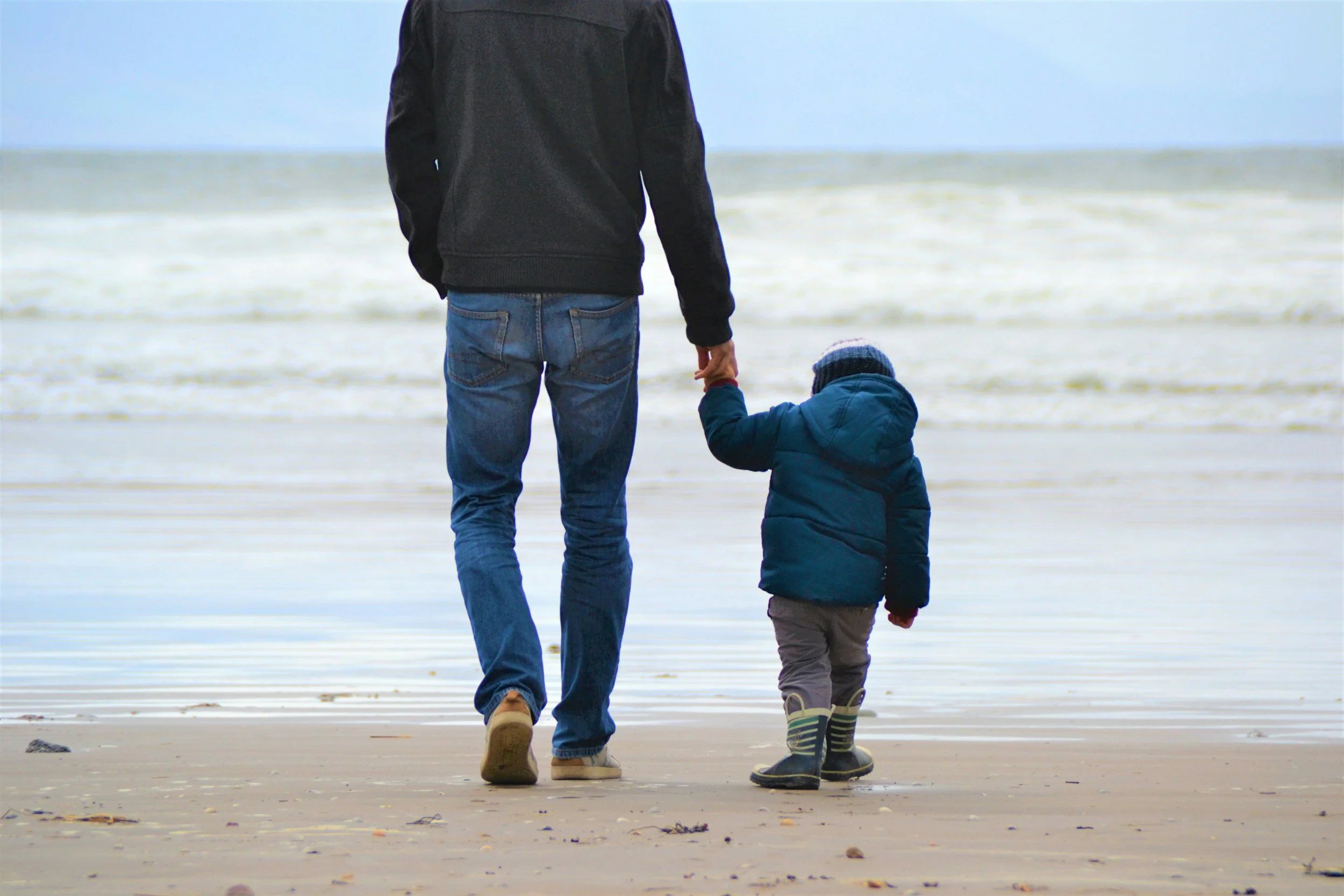
There's a particular kind of exhaustion that comes with hearing the word cancer when you have children. It isn't just the appointments, the scans, the waiting rooms, the paperwork. It's that you don't get to stop being a parent while any of it happens. There's no pause button. The lunches still need packing, the socks still go missing, somebody still has to sit on the floor and play dinosaurs even though you've been awake since 4 a.m. worrying. If you're reading this from inside that double shift, I want you to know two things up front.
First: you are not failing at this.
Second: you don't have to choose between being a patient and being a parent. You can be both, imperfectly, and it can still be enough.
You don't have to be the "strong" one
Somewhere along the way, a lot of us absorbed the idea that a good parent absorbs the hard stuff quietly so the kids don't have to feel it. So we put on the brave face, we say “Mommy's fine”, and we quietly fall apart in the car. Here's the thing: kids are excellent lie detectors. They can feel when something is off long before they can name it. And when nobody tells them what's happening, they fill in the blanks themselves — usually with something worse, and usually with themselves as the cause. So the goal isn't to hide it. The goal is to contain it. To let them see that hard things happen, that feelings are survivable, and that the grown-ups are still steering the ship. That last part matters most: the grown-ups are still steering the ship. Kids don't need certainty. They need to know someone is in charge and they're safe in it.
What kids actually need from you right now
Not perfect parenting. Not elaborate explanations. Not a parent who never cries. They need:
Predictability, wherever you can give it. Same bedtime routine, same Friday movie night, same weird inside joke. When the big things are unpredictable, the small things become anchors.
Permission to be normal. Some kids get clingy. Some get angry. Some act like nothing is happening at all and ask about Minecraft. All of those are valid responses.
Reassurance that it isn't their fault. Say it out loud, more than once. Kids are egocentric by design — they'll assume the diagnosis is somehow about them.
The truth, at their level. Not the whole truth. Their truth.
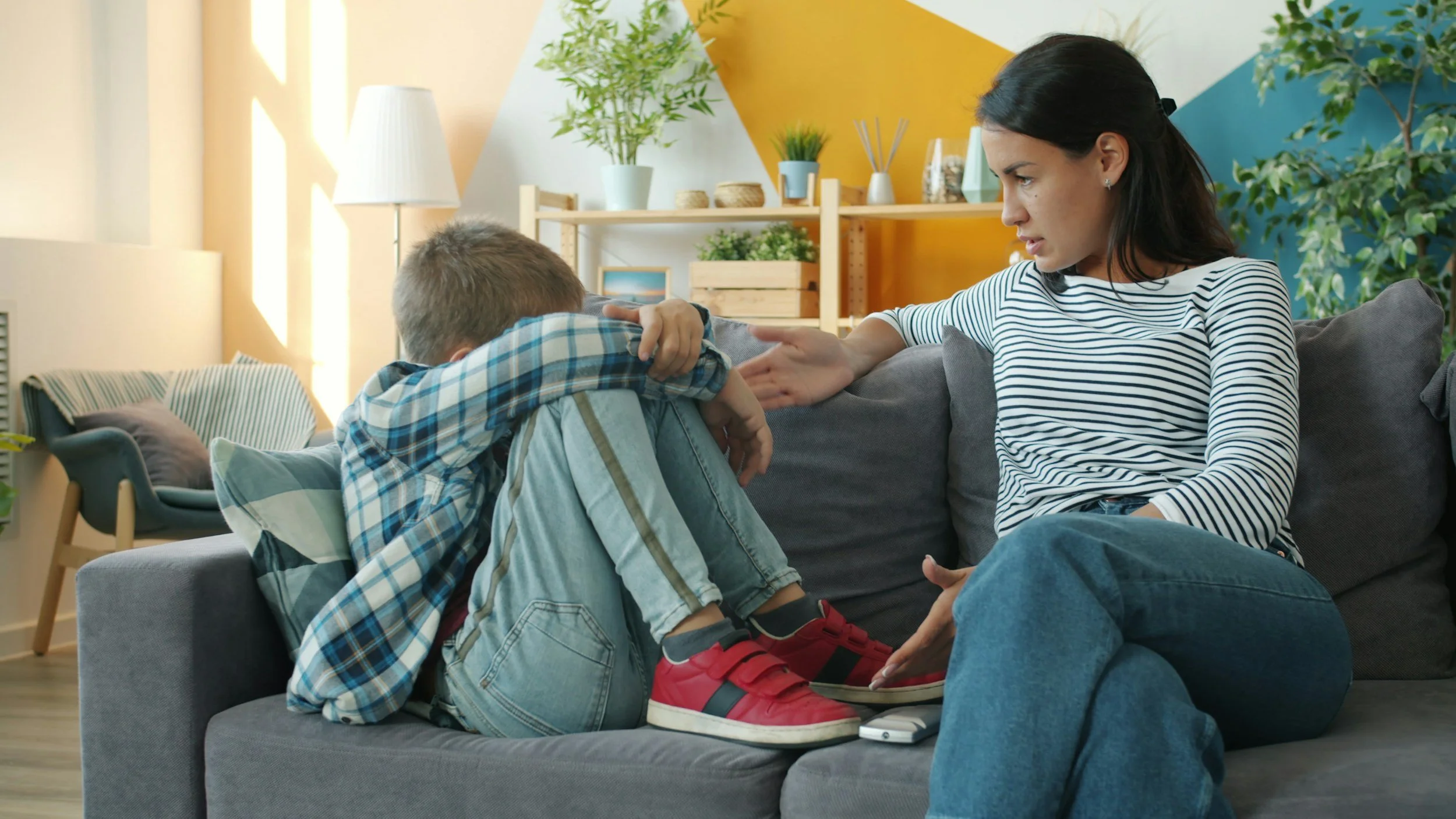
Age Appropriate Conversation Tips
There's no script that works for every kid, but there are general developmental guideposts:
Ages 3–6: Keep it short, concrete, and about now. "Mummy has a sickness called cancer. The doctors are helping. Sometimes I'll be tired, and sometimes someone else will pick you up from daycare." They mostly need to know their world is still safe and their routine still holds.
Ages 7–11: They can handle a bit more detail and will ask practical questions. "What is chemo? Does it hurt? Will you lose your hair?" Answer honestly and simply. This is also the age where kids start to help — and feeling useful genuinely helps them.
Ages 12+: Teens can handle the real picture, including uncertainty. Loop them in on schedules and what's changing. And expect them to have big feelings that show up sideways — as irritability, withdrawal, or sudden independence. That's not them pulling away from you. That's them coping.
Regardless of age: tell them who they can talk to, and give them permission to ask anything, anytime — including questions you don't have answers to.
Steal these, adapt them, make them sound like you. Kids smell inauthenticity from miles away.
"I have something to tell you. It's a grown-up thing, and it's not your fault."
"I have a sickness called cancer. The doctors are good at this and they're taking care of me."
"Sometimes I'll be tired or grumpy. It's not because of anything you did."
"You can ask me anything, even if I don't know the answer. We'll figure it out together."
"It's okay to be sad, and it's okay to be happy and forget about it too."
That last one is important. Kids often feel guilty for having fun while a parent is sick. Give them explicit permission to be a kid.

Lower the bar without dropping it
This is the practical stuff, and it matters more than it sounds. When your energy is a limited resource, you have to spend it like one. Ask yourself each morning: what are the three things that actually have to happen today? Everything else is optional. Frozen pizza for dinner is not a failure of parenting. It's strategy.
A few things that help:
Batch the invisible labour. Grocery orders, laundry, school forms — hand them off or automate them.
Say yes to specific offers. "Let me know if you need anything" is hard to answer. "Can you take Theo to soccer on Thursday?" is easy. Keep a running list on your phone so you have an answer ready.
Let the kids see the system. A whiteboard calendar, a shared family app, a colour-coded week — kids cope better when they can see what's coming.
Protect one non-negotiable. One ritual, one hour, one thing that stays sacred no matter what. It anchors everyone.
When your child is neurodivergent
If you're parenting a neurodivergent kid through your own illness, you're managing a whole extra layer — and it's worth naming, because it's a lot. Kids with autism, ADHD, sensory differences, or anxiety often thrive on sameness and can struggle most when the adults around them become unpredictable. So lean into the structures that already work for them, and then pre-teach the changes. Social stories, visual schedules, and rehearsing new routines a few days ahead can make a huge difference.
I found it so helpful to narrate to my children. They knew what to expect from mommy when they got home from school, what mommy expected from them to take care of her (zero), what they can choose to do to help, what adults are going to collect them when mommy couldnt and why mommy might seem sad or tired. All with the big bow wrapped around it of the truth: We are going to control what we are able to, and love eachother though the stuff we cant choose.
Also: give them a way to communicate their feelings that doesn't require words. Drawing, a feelings chart, a code word, a comfort item they can grab when they need it. And make sure school knows — a supportive teacher who can adjust expectations is worth their weight in gold.

Your own feelings are allowed too
Parents in treatment often get so focused on protecting their kids that they forget they're also a person going through something enormous. You're allowed to grieve. Allowed to be scared. Allowed to be furious that this happened to you, right now, in this season of your life. Allowed to feel relief about things you didn't expect to feel relief about. Grief and gratitude share the same space. That's not a contradiction — that's being alive.
It’s an opportunity too. Children need to see what safe adults do when they have “big feelings”. Hiding and pretending take away a powerful parenting tool: the ability to show kids that feelings are normal and the appropriate way you’re going to deal with it.
When to get extra support
Most families can hold a lot on their own. But it's worth reaching out if you notice:
Your child's sleep, eating, or school performance shifting significantly and staying shifted
Withdrawal, new aggression, or regressions that don't ease within a few weeks
Anxiety that's becoming physical — stomach aches, headaches, school refusal
A child who's taken on a "caretaker" role and seems to have stopped having needs of their own
Or simply: you're managing, but you're exhausted, and you want a place where you get to be the patient for an hour
That last one counts. You don't have to be in crisis to deserve support
A closing note
Here's the truth I keep coming back to, both as a psychologist and as someone who's been on the other side of the clipboard: Children don't need a perfect parent. They need a real one who keeps showing up. Some days you'll show up with everything you've got. Some days you'll show up with 40%. Both count. Both are love. And kids are far more resilient than we give them credit for — especially when they've got a parent who lets them see that hard things are survivable, and that you're still in the room. You've got this. Not perfectly. But for real.
Julia Denyer is a Registered Psychologist and the founder of Rockland Psychology in Calgary, AB. She offers assessment and therapy for children, adolescents, adults, and families, with a focus on neuro-affirming, trauma-informed care. If you're navigating illness, parenting, or both, book a free 10-minute consultation.